Pragmata launched on April 17, 2026, a week earlier than the April 24 date Capcom had set at The Game Awards. Pragmata hit shelves a week earlier than expected, a quieter, earlier arrival instead of another delay. The game is a triple-A sci-fi action-adventure first teased six years earlier with a surreal lunar trailer. Capcom first showed the game during a 2020 presentation, positioning it as a next-gen play for PlayStation 5 and targeting a 2022 release. The trailer introduced Hugh Williams, a rugged protagonist, and Diana, an enigmatic android girl. They were placed inside a low-G station under cryptic threat. It landed harder than the developers had ever imagined.
A trailer that raised the bar
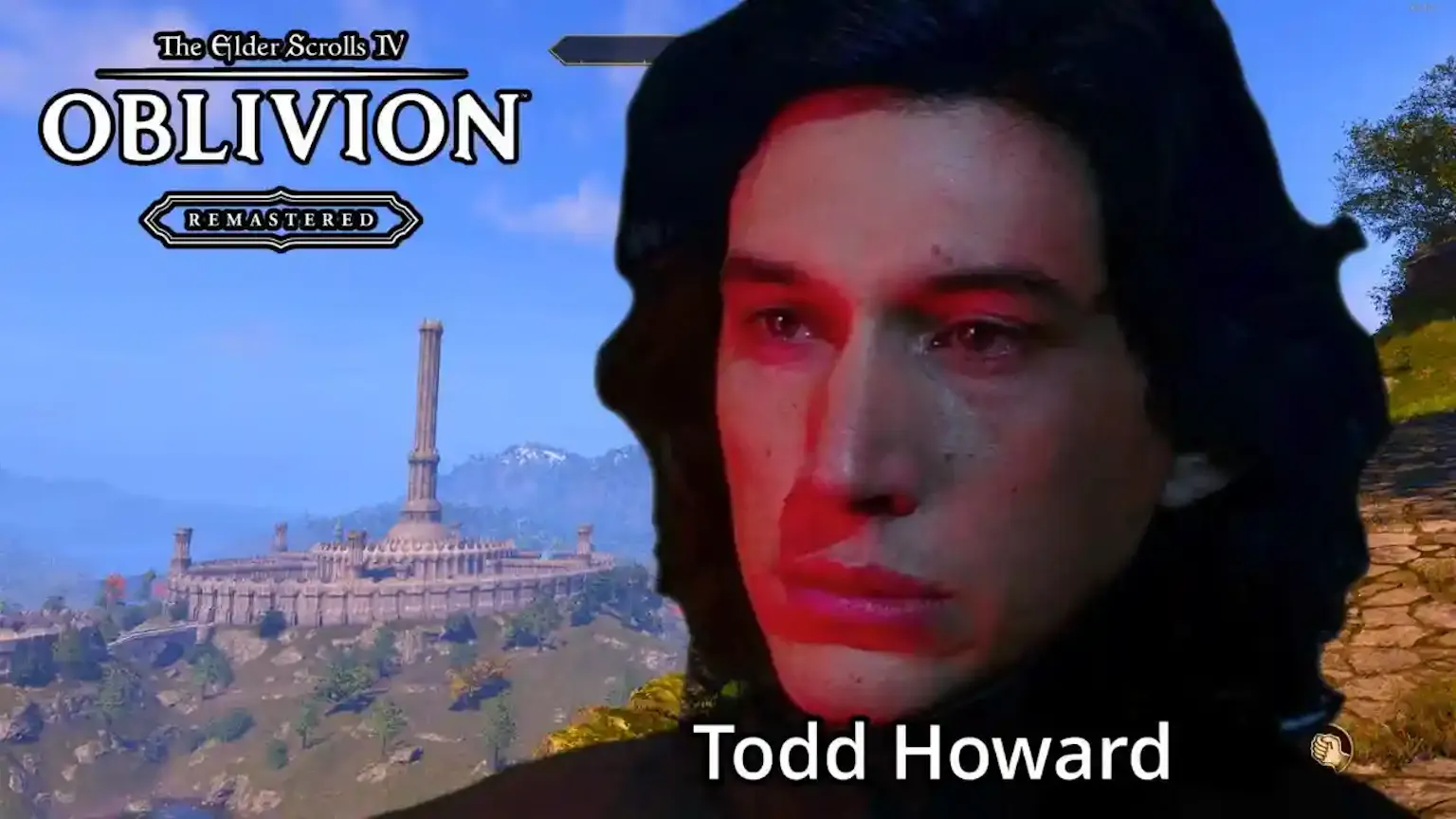
“When we made that initial announcement trailer, we honestly did not expect user interest to be as high as it was,” director Yonghee Cho said in a recent interview. “We realized making just a good game is now no longer enough. We have to make something that’s even better than we initially imagined.” That reaction became both fuel and weight. Cho says “Of course” there is some regret, acknowledging that not announcing it as early might have eased some challenges. But he won’t let regret sit alone: “Had we not released that trailer when we did, we wouldn't have the Pragmata that we have now.” The feeling echoes Todd Howard’s hand-wringing about The Elder Scrolls 6, an early promise that locks a team into years of public expectation. It's not a clean dev diary. It's a case study in how fan anticipation drags a project forward, bruising every step.
The timeline proves it. The 2022 release plan fell apart, and when 2023 arrived, the game was delayed indefinitely. It only resurfaced in late 2025 with a 2026 window, refined to April 17 after an earlier April 24 marker. Cho saw the persistent hum of player interest even after so much time had passed and called it “very encouraging,” a direct morale boost. The phrasing is direct, but the sentiment landed. He describes the fan response as “a huge element that pulled Pragmata through its development.”
Life on the Cradle
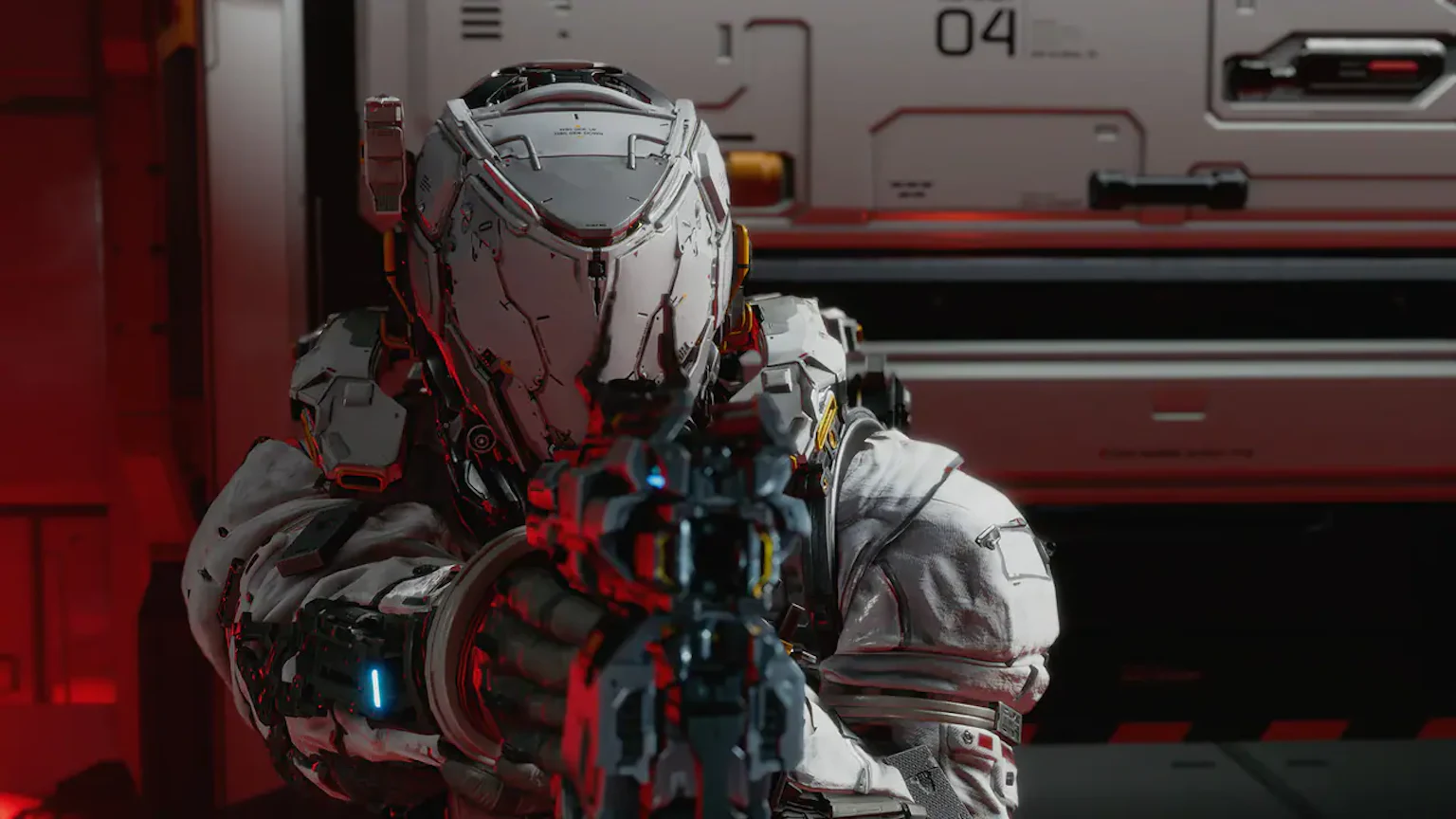
The finished hybrid action-adventure takes place on the Cradle, a lunar research station run by the Delphi Corporation. Earth has gone silent, and an investigation team that includes Hugh is wrecked by a moonquake and a rogue AI named IDUS. Hugh, separated and desperate, teams up with Diana, the android girl, to move through corridors filled with malfunctioning robots and 3D-printed threats. You control both characters at once from a third-person view, which forces a constant juggling of offense and support as Hugh shoots with energy weapons and dodges with a jetpack while Diana hacks in real time to pry open weak points and fold puzzles into firefights. The dual-layer system isn’t a lazy gimmick. It demands genuine juggling of offense and support, adding the kind of friction that turns combat into a two-handed scramble.
Visually, the RE Engine shows off on Diana’s hair and the way the station’s sterile geometry feels both familiar and wondrous. The art direction dodges hard-sci-fi coldness by leaning into near-future warmth, and the narrative stays close to connection, found family, and the question of what it means to be human when the world has gone machine.
The team spent the extra years iterating on the combat blend, sharpening rendering and AI, and releasing a pre-launch demo, Pragmata: Sketchbook, that kept anticipation alive.
Two million units in weeks
Post-launch reception leaned positive, with critics singling out the combat interplay and the story's heart. Sales crossed 2 million units within weeks. Those sales validate the long development, and they retroactively justify Capcom's gamble on a new IP at a time when most publishers were sticking to sequels and remakes. Without live-service hooks, it plays like a straight single-player throwback.
Sequel talk stays half-open
Cho keeps the sequel talk pointedly half-open. He cut his teeth on Metal Gear Rising: Revengeance and Resident Evil 3, and now approaches the question with care. “Of course I’d love to see a sequel,” he said. “But I’m not the only one who decides, so unfortunately I can’t really comment beyond that.” The hedging was honest, not coy. Oyama stressed making sure the current game reaches as many players as possible. It's already out on PlayStation 5, and versions for Xbox Series X/S, Switch 2, and PC are available too.
The saga mirrors the early-reveal paradox Howard described: excitement that forces refinement but also locks in expectations that devour time. Capcom’s transparency about the delays, plus the demo, kept goodwill from evaporating. What started as a trailer that surprised everyone became a polished product pushed along by internal drive and the stubborn pull of fan expectation. The long road makes a blunt case for patience, and the team turned pressure into a concrete new offering. Cho says he'd love a sequel but doesn't get to decide alone. That's where the story ends for now.