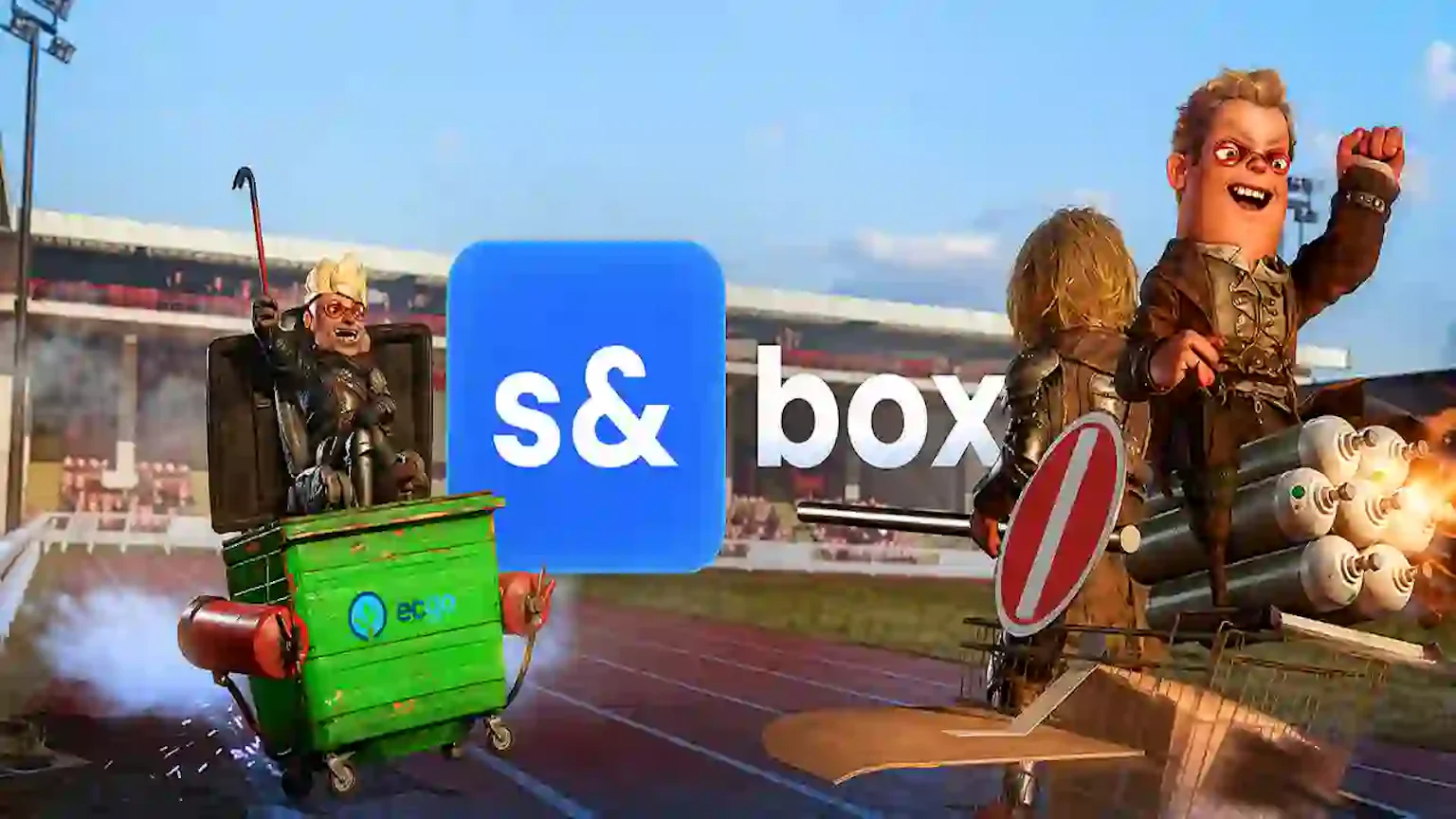
s&box is set for a Steam launch on April 28, 2026, and the date matters because Facepunch is not shipping a nostalgia project. It is shipping a machine for making one.
From Garry's Mod to a Source 2 sandbox
The name is pronounced "sandbox." Facepunch Studios, the company behind it, made Garry's Mod and Rust, and that history hangs over the project whether the studio likes it or not. Garry's Mod arrived in 2004 and turned Source into a physics lab, a role-playing venue, a chaos engine, and a long-lived mod scene that has now sold more than 25 million copies. s&box is the next pass at that idea, only with Source 2 under the floorboards, C# in the scripting stack, and a business model that tries to be friendlier to the people actually building inside it.
That split is the whole story. On one side, you can jump into hundreds of community-made games through sbox.game or Steam, with no extra installs or subscriptions to slow the click-to-play loop. On the other, creators get an editor with millisecond hot reloads, built-in multiplayer, instant sharing, scene workflows, rapid prototyping, real-time playtesting, ActionGraph, ShaderGraph, terrain tools, and ModelDoc with automatic LOD generation. The pitch is Facepunch's own tagline: "Make games without the bullshit."
How s&box got here
Facepunch did not get here in a straight line. Development began years ago, first with Unreal Engine 4, then with a rare Source 2 codebase handoff from Valve after Half-Life: Alyx. That move gave the project advanced rendering, Rubikon physics, Hammer, and modern .NET integration. Around 2023, the team tore out the traditional client/server setup and moved to a scene-based system closer to Unity or Godot, because the older entity model was slowing people down. The project then lived through a long developer preview while Facepunch refined core systems, gathered feedback, and built the surrounding ecosystem. By early 2026, that preview was over.
Facepunch keeps talking like a small studio because it is one. The company is based in Birmingham, UK, and it still sounds more interested in giving creators a usable toolset than squeezing the last pound out of them. The engine code is on GitHub under the MIT license, though that applies to Facepunch's own layers and not Source 2 itself. Players can also use the platform in a more toy-like way, spawning objects, building contraptions, and generally making a mess in physics-based sandbox modes that echo Garry's Mod with better visuals, physics, and networking.
The Play Fund and the creator economy
The economics are stranger than the usual platform pitch. The Play Fund pays out a daily pool based mainly on clamped individual play hours, not raw concurrency, and not the kind of microtransaction treadmill that usually dominates these discussions. Facepunch says it has paid out more than 500,000 through the fund by late April 2026. Earlier, the figure was around 180,000 in late 2025, and by the run-up to launch it was close to half a million. One reported developer made about 67,000 from the preview period alone. Facepunch wants the whole thing to become self-sustaining through game sales and cosmetic revenue, with some of that money flowing back into the pool. This isn't as extreme as other models, but it is supposed to grow without needing a giant staff to prop it up.
A royalty-free path to Steam
Then there is the export story, which may matter more than any feature bullet. In March 2026, Facepunch finalized an agreement with Valve that lets creators ship s&box-made games independently, with no ongoing royalties to Facepunch and no extra Valve cuts tied to engine use. They keep the name, and they keep the revenue apart from standard Steam fees. The exported game does not need s&box installed to run. Facepunch says the engine is completely royalty-free. The first pilot, My Summer Cottage, has already used the path. Valve approval is still part of the initial rollout, but Facepunch says it wants to open access to more creators later.
The rest is the infrastructure behind that promise. 64-bit support clears out old memory limits. Rendering is newer, lighting and materials are better, networking is built for asynchronous work, and the scene system is more flexible. The toolset keeps growing with dedicated servers, movie-making tools, workshop sharing, forums, documentation, open-sourced sandbox gamemode pieces, and a library of official weapon models and attachments. It can support a tiny minigame or a more serious standalone title without changing the underlying pitch.
What s&box still has to prove
Reception has been mixed but mostly hopeful, which is about as much as you can expect before a launch like this. Some players see a modernized sandbox with a clearer creator economy. Some see rough edges, and some still compare everything to the anarchic mess of Garry's Mod, where physics chaos was the point rather than a feature buried under systems. That comparison is fair. s&box is trying to be a bridge between modding and full engine development, and bridges tend to creak.
Performance at larger player counts still needs work. Monetization has to stay attractive without turning sour. The creator ecosystem has to get big enough to sustain itself. The entry price is $20, which is approachable, but it will still invite comparisons with free alternatives, and Facepunch has said it would like to open access further later on. If enough creators embrace the tools and the export path, the platform could produce a wave of indie releases, though that is the kind of claim launch stories always make before anyone can prove it.
What Facepunch seems to want, after all these years, is a place where people can play, experiment, and build without the usual corporate traps. No hidden fees. No lock-in for exported projects. A Steam launch on April 28, 2026. A Play Fund. A royalty-free exit ramp. And a community that has to decide whether it wants a toy, an engine, or both.