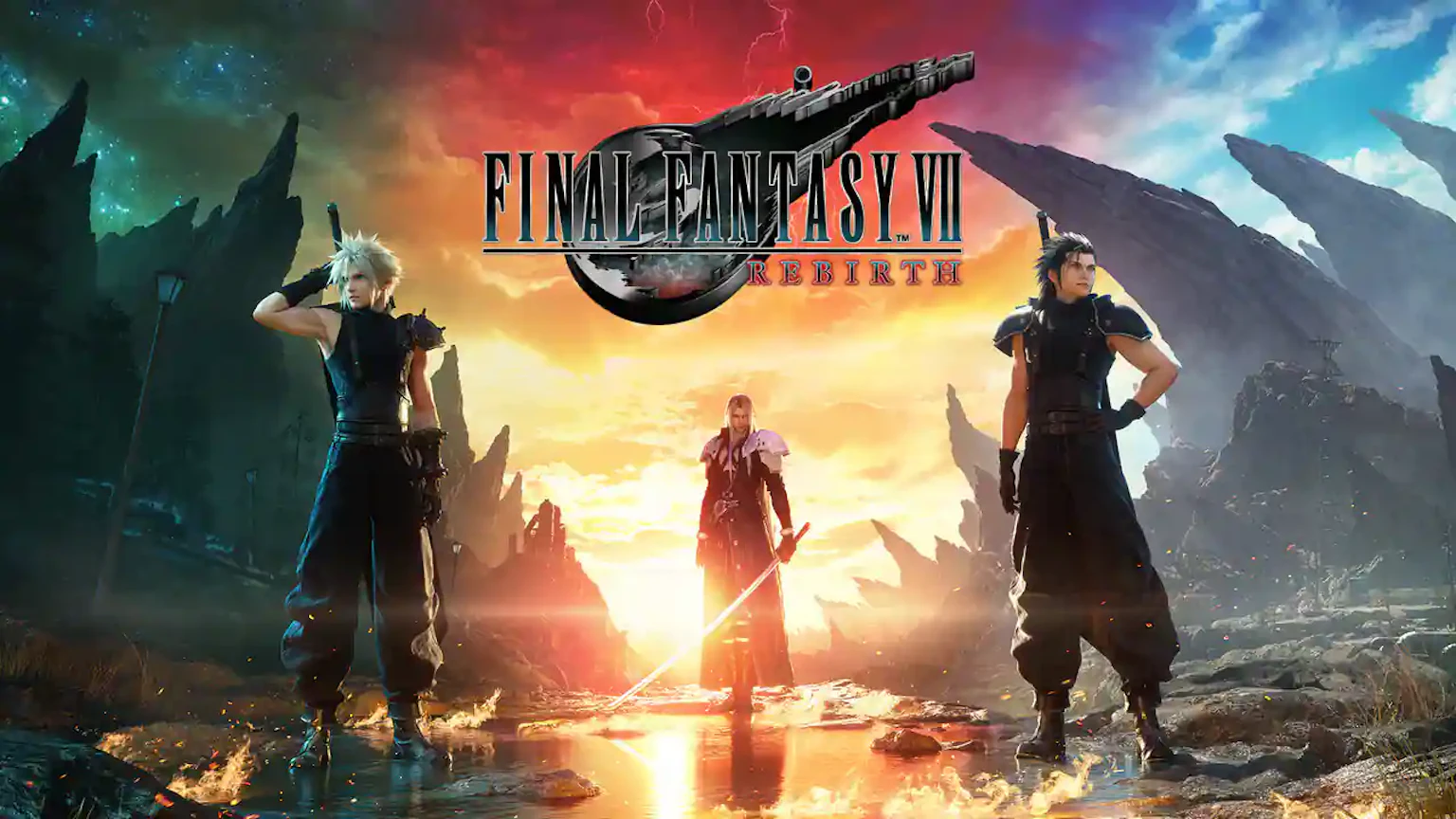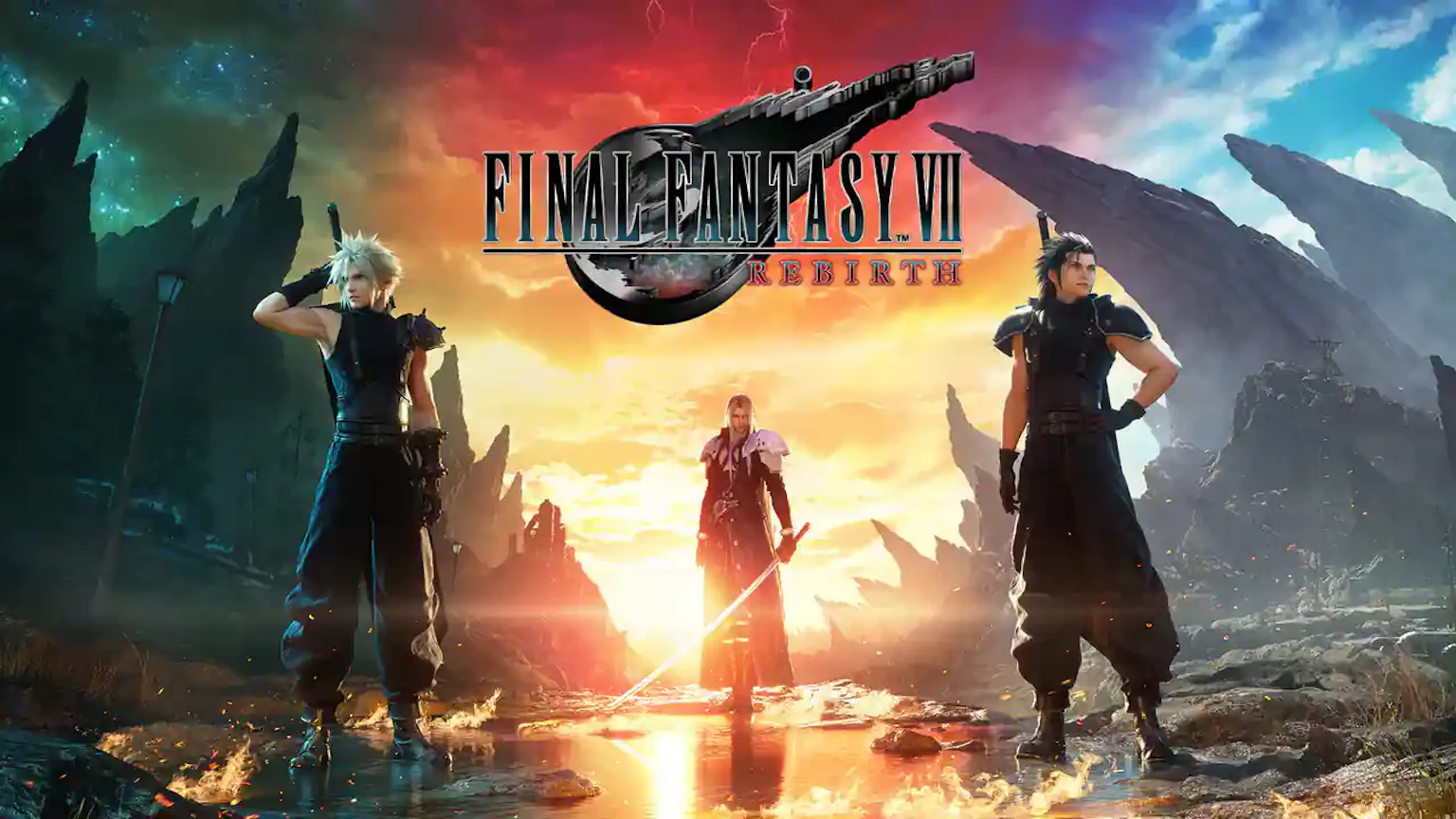
Final Fantasy VII Rebirth lands on Xbox Series X/S and Nintendo Switch 2 on June 3, 2026. That's two years and four months after it launched as a PlayStation 5 exclusive. The gap is long enough to make Sony's investment feel real but short enough to expose it as a timed deal rather than a permanent alignment.
Square Enix announced the multiplatform release during the February 2026 Nintendo Partner Showcase. The Xbox Store confirmed it almost immediately. Pre-orders went live on both platforms the same day, with launch discounts and whatever special editions the publishers assembled. For Xbox owners and anyone who bought a Switch 2, this is the first time they can play the second chapter of the Remake project without buying a PlayStation.
Why the ports feel inevitable
The game itself is good. Actually, very good. On PS5 it scored 92 on Metacritic based on 145 critic reviews. It collected more than 40 Game of the Year awards and over 125 perfect scores. It won Best Score & Music at the 2024 Game Awards. The Golden Joystick Awards gave it Best Storytelling and Best Soundtrack. That stat line makes multiplatform ports feel inevitable rather than generous.
The soundtrack is by Masashi Hamauzu and Mitsuto Suzuki. Director Naoki Hamaguchi told interviewers after launch that the team wanted to honor the 1997 original while slipping in enough new material to justify the three-part structure, and critics mostly agreed they pulled it off.
The story so far
Story-wise, Rebirth picks up seconds after Remake. Cloud, Tifa, Barret, and Aerith escaped Midgar after fighting the Whispers, those weird fate-ghosts that nobody entirely understood. Now they're chasing Sephiroth across the Planet. The locations are the ones you remember: Kalm, Junon, Costa del Sol, Corel, the Gold Saucer, Gongaga, Cosmo Canyon, a rebuilt Nibelheim that sits wrong in the memory. Yuffie joins the party early, Cait Sith shows up mid-game, and Cid and Vincent appear much later. The multiverse elements, alternate timelines, are a risky move for a story some consider untouchable. The Gold Saucer date sequence changes based on who you've bonded with. That mechanic has become the thing fans argue about most: who ended up on the ferris wheel with whom and whether it meant anything.
How Rebirth plays
The combat system builds on Remake's hybrid model. You control Cloud mostly, but you can switch between party members in real time. Light attacks fill ATB gauges and you spend those on spells, items, abilities, or the Synergy Attacks that link two characters into something bigger. The world is semi-open: large regions connected by corridors, with Chocobos for faster travel. Side content is roughly the size of the main story, either a selling point or a threat depending on your tolerance for minigames. Queen's Blood, the card game, has its own tournament circuit within the game. There are three notable minigames: chocobo racing, rhythm challenges, and a Fort Condor strategy battle.
Performance across Xbox and Switch 2
Technical performance varies by platform. The Xbox Series X targets 4K in Quality mode and a steady 60fps in Performance mode. Series S lands somewhere in the middle. The Xbox version supports Play Anywhere, so progress transfers between console and PC, a genuinely useful feature. The Switch 2 version targets 30fps with dynamic resolution that drops as low as roughly 540p in handheld mode and hits maybe 1080p docked. Digital Foundry called it an "ambitious" port, even a "miracle." That kind of compliment also admits limitations: occasional hitches in crowded scenes, longer load times, reduced texture detail. A demo covering the first two chapters is available now, and save data carries over.
The voice cast is solid: Cody Christian as Cloud, Briana White as Aerith, Britt Baron as Tifa. They've all done press and received genuine fan appreciation. In 2024 that meant staying off Twitter during release weekend.
The exclusivity question
Still unresolved: how long the PS5 exclusivity actually was. Square Enix never confirmed the exact terms, and the silence on that is its own kind of answer. The company has confirmed that Part 3 of the trilogy is in development, with updates expected through 2026, and that the multiplatform strategy will apply there too. Whether the next game launches simultaneously on everything or repeats the staggered approach is an open question. No one at Square Enix has answered it.
The Switch 2 pre-order bonuses include a Magic: The Gathering promo card, a cross-promotion so specific it reads as a nod to players who refused to buy a second console. Discounts run until June 10.
June 3 is the date. Three platforms. One game that spent two years as a flagship for one ecosystem, now available everywhere and stripped of its exclusivity status. That transition is the story here: not just the release itself, but how we got from "only on PlayStation" to "also on everything" without anyone at Square Enix ever actually explaining what changed.