Diablo IV: Lord of Hatred — April 28 Can’t Come Fast Enough
Blizzard dropped the Lord of Hatred reveal at The Game Awards back in December and the crowd absolutely lost it. Honestly? Same.
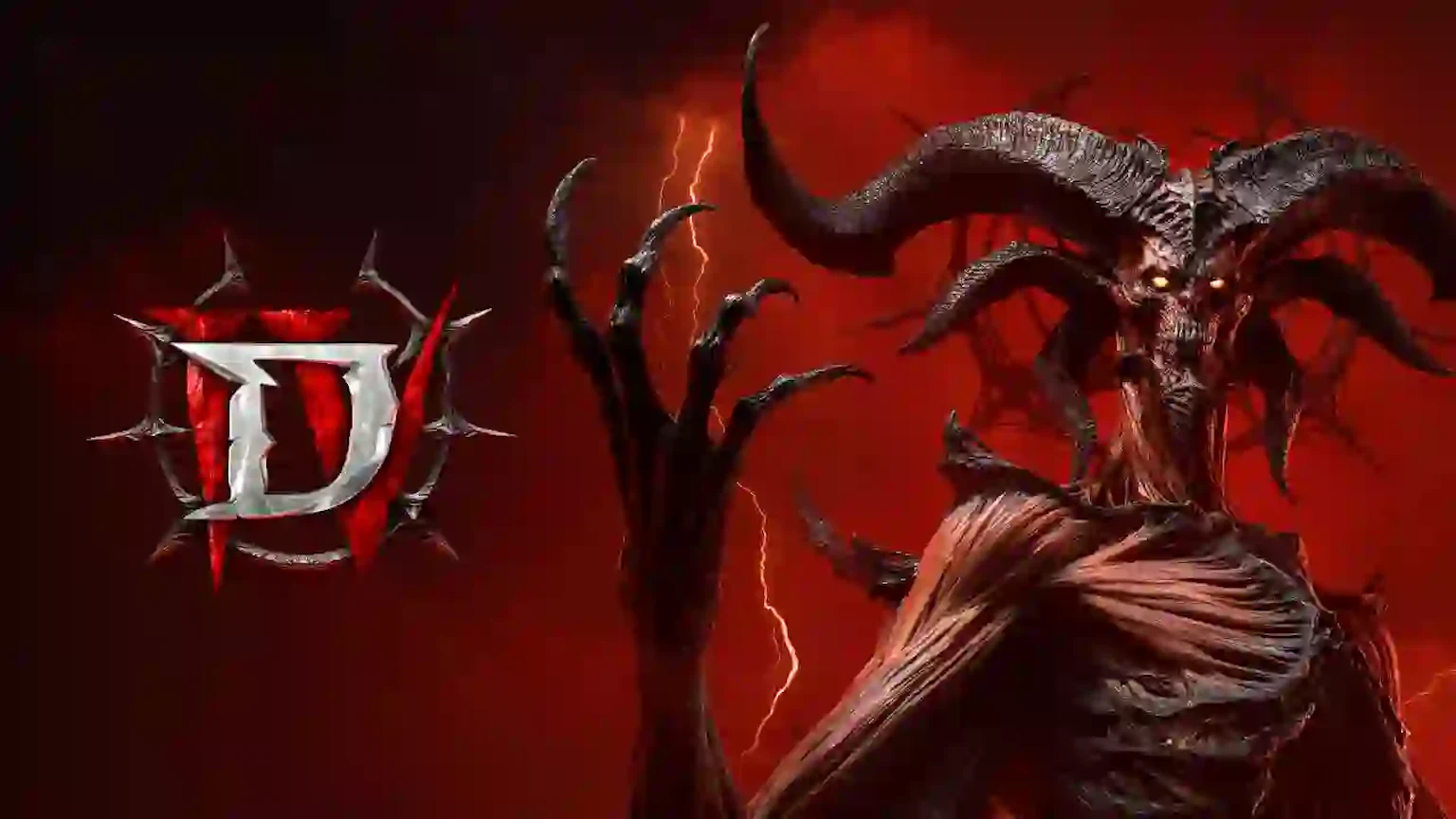
This is the second big expansion for Diablo IV, and it’s launching April 28, 2026. But unlike Vessel of Hatred — which was a solid story expansion — Lord of Hatred feels like Blizzard finally sat down, listened to four years of community complaints, and went “alright, fine, let’s fix it.” The result is an expansion that doesn’t just add content. It rebuilds the parts of Diablo IV that have always felt a bit… incomplete.
Let me walk you through everything confirmed so far.
The Story: Mephisto Comes Home
The expansion picks up right where Vessel of Hatred left off. Mephisto, the Prime Evil himself — Lord of Hatred, the clue’s in the name — is being physically dragged back into Sanctuary through something called the Primordial Pool. Think of it as an ancient wound in the world that’s been ripped wide open. His influence is already seeping out, twisting people against each other, warping the land.
Here’s where it gets interesting. To stop him, you’re forced into an alliance with a resurrected Lilith.
Yeah. The final boss from the base game. Back from the dead. And she needs you just as much as you need her — which is the only reason either of you is cooperating. Blizzard is calling this the finale of the entire “Age of Hatred” arc, and from the cinematic they showed, the tone is dark, tense, and full of betrayal. A race against time to stop a Prime Evil from fully manifesting while your own ally might be planning to stab you in the back.
Good setup. Let’s see if the ending sticks the landing.
Where You’re Going: Skovos
For the first time in the franchise’s history, you’re stepping foot on Skovos — the oldest continent in Sanctuary. This is where Lilith and Inarius first walked. Where human civilization was born. It’s basically Sanctuary’s version of Mesopotamia, and it looks incredible.
Three distinct biomes are confirmed:
Volcanic Coasts — Black sand, rivers of lava, obsidian ruins. Fire elementals, basilisks, cultists. Dark and oppressive in the best way.
Storm-Ravaged Jungles — Dense canopy with constant lightning strikes overhead. Corrupted dryads, tribal warriors, wandering spirits. Gorgeous and dangerous.
Sunken Temple Cities — This is the one that caught my eye. Flooded, underwater ruins. Coral cathedrals. Drowned undead and kraken-sized leviathans. After years of Gothic European hellscapes, this genuinely looks different.
The Paladin Is Finally Here
Okay, let’s talk about the elephant in the room. The Paladin is back.
This has been the most requested class since Diablo IV launched. Three years of players asking. And Blizzard waited until the second expansion to deliver. Was the wait worth it? Based on what’s been shown — yes, probably.
The class keeps everything fans loved from Diablo II. The golden glow, the thunder-crack of Blessed Hammer connecting, the weight of a shield bash that shakes the screen. But it’s been rebuilt from scratch inside Diablo IV’s modern combat. It doesn’t feel like a port. It feels like it belongs.
The Paladin’s core mechanic is the Oath System — four distinct playstyles you can swap between freely:
- •Juggernaut — You’re a brick wall. Block everything, bash everything, survive everything. Built around a resource called Resolve that stacks when you block or bash. Ultimate is Heaven’s Fortress, a massive burst of damage reduction.
- •Zealot — Frenzied, aggressive sword saint. Fervor stacks on rapid Zeal hits and powers a skill called Zenith — a giant holy blade that comes crashing down from above.
- •Judicator — Artillery commander. Blessed Hammer spirals, Heaven’s Fury beams, Consecration zones. If you like summoner-style builds, this is your Oath.
- •Disciple — Wings. Flight. Full Arbiter transformation with aerial mobility. The most visually insane of the four, and honestly? Looks like a blast.
No dominant meta pick forced on you from day one. Four real playstyle identities baked in from launch. That’s how you design a class.
There’s also a second mystery class coming. Blizzard only showed a silhouette and a faint weapon glow, with a full reveal promised closer to launch. The community’s betting on an Amazon — which would make sense given Skovos lore. We’ll see.
The Loot Overhaul Nobody Expected to Be This Good
This is the part of Lord of Hatred that I think is being underrated in the conversation. Three entirely new loot systems are arriving simultaneously, and together they address almost every major complaint about Diablo IV’s endgame.
The Talisman System
Set bonuses are back — but not the way you remember them from Diablo III, where you needed a full six-piece set just to function and the bonuses were absurd percentage multipliers that broke the entire game.
The Talisman is a completely separate equipment tab. It doesn’t compete with your armor or weapons at all. It has seven slots: one central Seal and six outer Charm slots. You equip charms into those outer slots, and the Seal controls how many you can unlock plus what set synergy bonuses activate.
The only Seal revealed so far — the Horadric Seal of Honor — unlocks five of the six possible charm sockets, lets you equip two unique charms, and gives nearly 50% total armor on top. The charms themselves come in magic, rare, legendary, unique, and a brand new Set rarity. Each has two affix rolls — skill rank increases, resistance boosts, experience bonuses, crafting material drop rates.
The smart design choice here is that set bonuses affect how your abilities work, not just how hard they hit. No more “use this set or your build doesn’t function.” Sets are meant to open new mechanical possibilities, not lock you into a single path.
The Horadric Cube
Yes, it’s back. And it’s addressing something that’s bothered me since launch: crafting in Diablo IV doesn’t feel like crafting. Tempering and Masterworking feel like gambling with extra steps. The Horadric Cube brings actual transmutation recipes.
Two categories of recipes: item transformation (combine multiple identical items into something new and more powerful) and gear modification (reroll set items, socket gems, modify affixes). It also ties directly into the Talisman system — you can convert actual unique gear pieces into unique Charms. Near-miss loot that used to get scrapped might now become something genuinely valuable.
This is the crafting system Diablo IV has needed for years.
The Loot Filter
It’s 2026. Diablo IV is getting a loot filter. Better late than never — you can now save custom filter presets so your screen isn’t constantly drowning in trash during high-level content. Something like “item level 925, 4 Greater Affixes, Life per Second” — saved, active, done. This one small addition is going to improve the endgame loop dramatically.
Everything Else Getting Overhauled
Beyond the three loot systems, Lord of Hatred is bringing:
Complete Skill Tree redesigns across every class, with class-unique branches and a higher level cap. More build variety, more ways to take a character in an unexpected direction.
War Plans — instead of following a fixed endgame checklist, you now design your own progression roadmap. Chain Pit tiers into World Bosses into Infernal Hordes into Ladder Bosses, with modifiers that scale up as you go. It’s player-driven endgame structure, which Diablo has needed forever.
Echoes of Hatred — a true infinite-scaling horde mode that keeps throwing new enemy affixes at you the further you push. No ceiling. No exit point forced on you. Just pure escalation.
Paragon overhaul — additional boards and higher glyph radius potential for the number-crunchers who live in the late-late-game.
Worth Buying?
If you bounced off Diablo IV’s endgame at any point — too much RNG, loot felt unreadable, crafting felt pointless, builds felt narrow — Lord of Hatred is directly targeting every one of those pain points at once.
Two new classes. A continent nobody’s explored before. A Horadric Cube that actually matters. A Talisman system that brings set bonuses back without breaking the game. A loot filter. Completely redesigned skill trees. And the conclusion of a story that’s been building since 2023.
The risk is tuning. Blizzard has to get the balance right on all these interlocking systems, and that’s genuinely hard. But based on what’s been shown, this is the most ambitious Diablo IV update since launch — and the most purposeful.