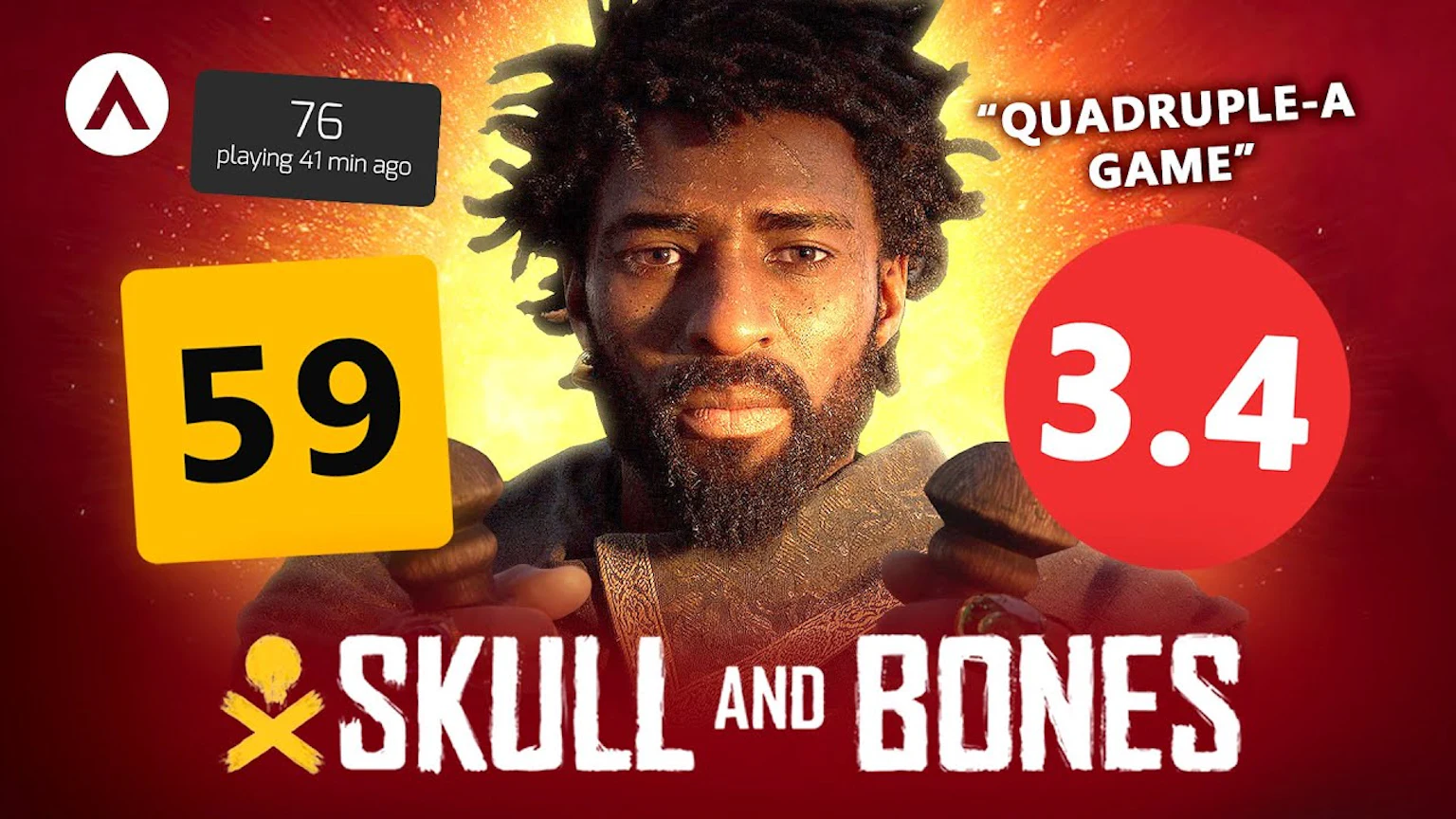
Skull and Bones: A Decade-Long Voyage into Stormy Waters
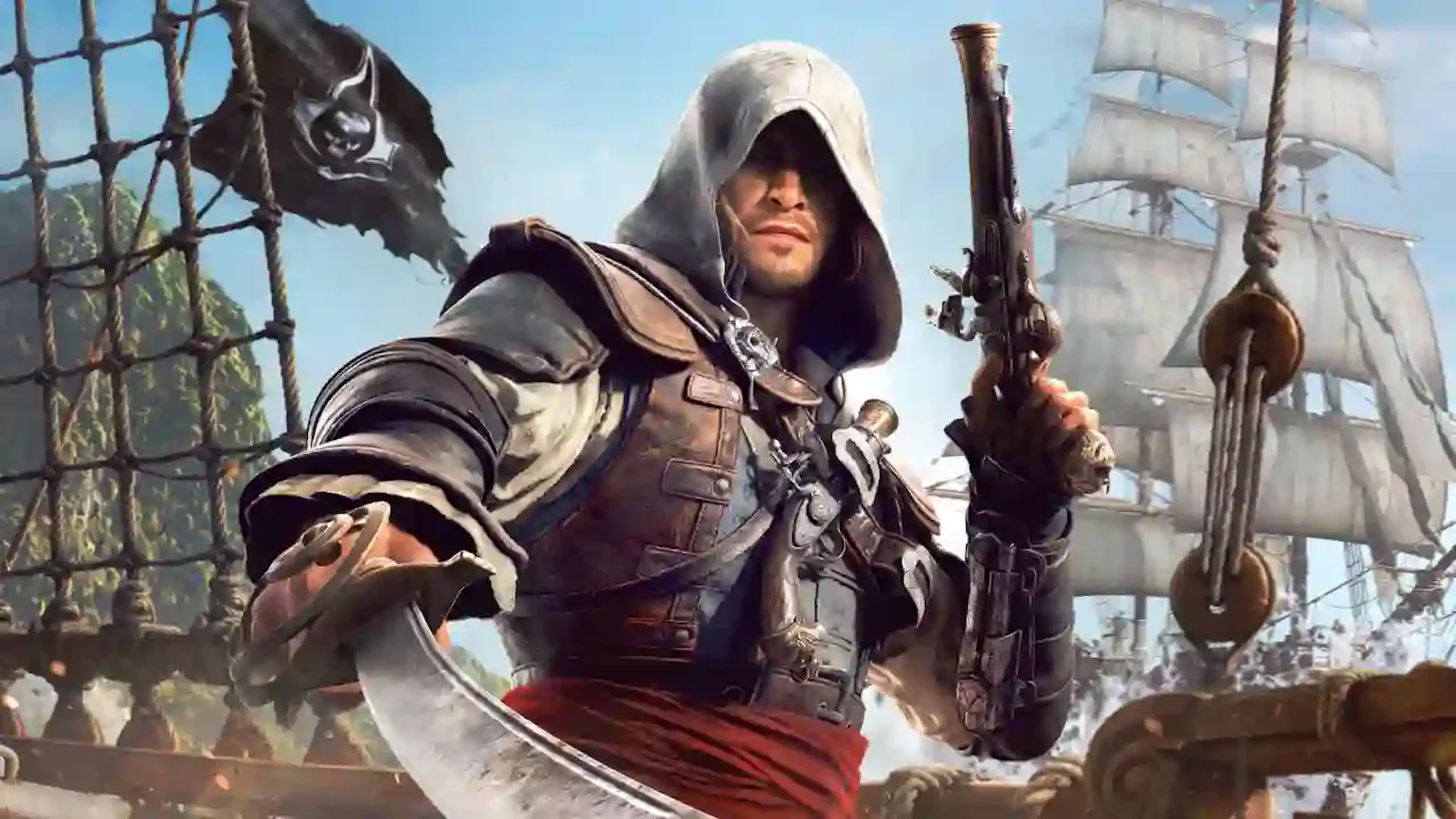
From Black Flag’s Wake to a $200M Shipwreck Ubisoft’s Skull and Bones—a game once poised to capitalize on the beloved naval combat of Assassin’s Creed IV: Black Flag—has become a cautionary tale of ambition, mismanagement, and the perils of live-service overreach. What began in 2013 as a multiplayer expansion codenamed Black Flag Infinite morphed into a standalone title after Ubisoft Singapore deemed its original tech outdated . But this pivot marked the first of many storms ahead.
A Development Cycle Plagued by Mutiny
The game’s decade-long journey was riddled with leadership chaos. Skull and Bones cycled through three creative directors, including Elisabeth Pellen, who departed Ubisoft Singapore in 2023 after spearheading a reboot focused on exploration-driven piracy . Internal reports from Kotaku and Insider Gaming paint a picture of a studio in disarray: conflicting visions, scrapped prototypes (from Caribbean adventures to the fantasy realm Hyperborea), and a final pivot to a survival-inspired live-service model .
The financial toll was staggering. With a $200 million budget—surpassing Cyberpunk 2077’s development costs—the project became a money pit. Leaked documents suggest Ubisoft never expected to recoup its investment, kept afloat only by subsidies from the Singaporean government .
Launch Day: A Ghost Ship
When Skull and Bones finally docked on February 16, 2024, the reception was icy. Despite CEO Yves Guillemot’s insistence that it was a “quadruple-A” title worth $70, players balked. The game attracted just 850,000 players in its first week—a figure inflated by an eight-hour free trial—while physical sales in the UK trailed Sea of Thieves’ 2018 launch by over 75% . Critics praised its naval combat but panned repetitive missions, sparse content, and a “soulless” live-service structure .
Steam metrics revealed a deeper crisis: peak concurrent players plummeted 85% within months, sinking to a 24-hour average of 412 by late 2024 . Ubisoft’s attempt to highlight “record engagement” (4+ daily play hours) rang hollow amid reports of dwindling active users .
Why Did It Fail? The Perfect Storm
- Management Turmoil: Leadership changes and a lack of coherent vision led to wasted resources. One developer lamented, “Nobody knew what the f** they were doing”* .
- Workplace Woes: Ubisoft Singapore faced unionization efforts amid allegations of poor treatment and gender inequality, further destabilizing development .
- Market Missteps: Chasing trends—from survival mechanics to live-service—left the game feeling derivative. As one insider noted, “This is a $30-$40 game at best” .
- The Singapore Deal: Government subsidies tied to job creation allegedly forced Ubisoft to continue the project despite mounting losses .
Legacy: A Wake-Up Call for the Industry
Skull and Bones exemplifies the risks of AAA bloat. Its cycle of reboots, executive meddling, and live-service gambles mirrors broader industry struggles—see Suicide Squad: Kill the Justice League’s similar fate. Yet, Ubisoft’s refusal to abandon ship underscores a harsh reality: corporate obligations often outweigh creative pragmatism.
As studios grapple with unionization and rising development costs, Skull and Bones stands as a grim reminder: even the mightiest galleons can sink when navigated by divided crews.
For further reading, explore our coverage of Ubisoft’s upcoming projects and the evolving live-service landscape.